Black Mold?
Don't Take Chances! Call the Top Black
Removal Company in Sparks and get cleaned up FAST!



Why Choose Us?
- Certified Pros
- Available 24/7/365
- Rapid Response
- Fully Licensed And Insured
- We Work With Your Insurance Company
Call Now (775) 310-2980
Professional Mold Removal in Sparks, Nevada
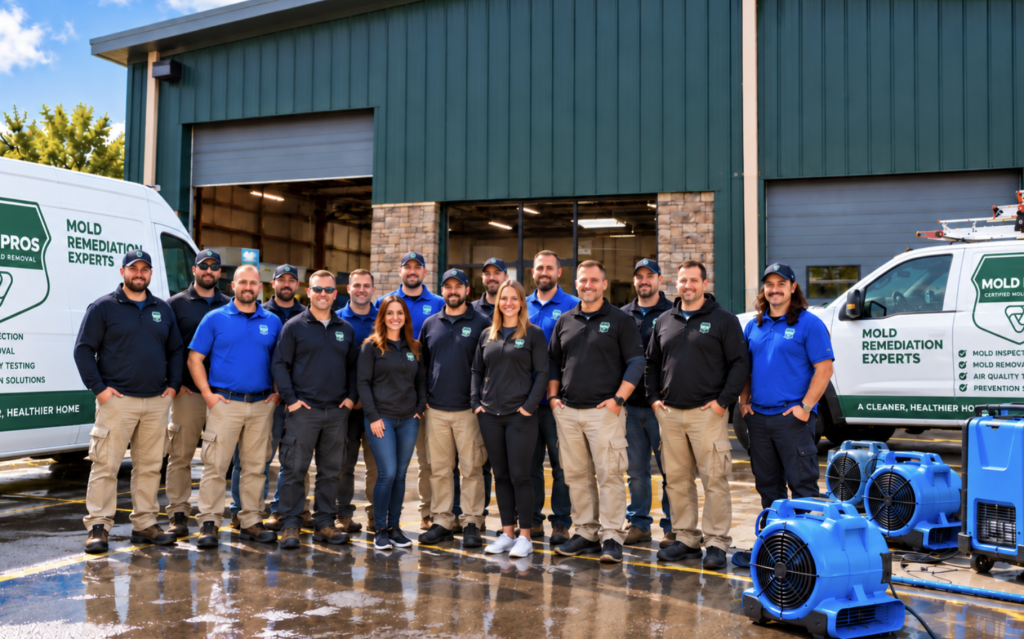
Finding mold in your home or business can raise immediate questions about safety, cost, and disruption. Our mold remediation team explains the work before removal begins. We identify the moisture source, protect unaffected areas, and choose cleaning or removal methods for each material. The goal is to remove damaged materials carefully and leave the area ready for any needed repairs. We serve properties throughout the Reno area and nearby communities.
What Can Cause Mold Problems in Sparks Properties?
Our process starts with a visual review of the affected area and nearby building materials. We look for signs of leaks, flooding, condensation, plumbing problems, or ventilation issues. Source control comes first because new moisture can undermine otherwise careful cleanup. We then plan the work area, material handling, air control, and cleaning steps around the size of the problem.
Containment means using plastic walls or barriers to help keep mold dust from spreading into clean rooms. We use personal protective equipment and HEPA filtration during disturbance and cleanup. A HEPA air scrubber filters small particles from the air while work continues. These controls matter most when drywall, insulation, carpet, or other porous materials must be opened or removed.
We protect unaffected contents and surfaces before work begins. Affected porous materials are handled carefully because mold can grow below the visible surface. Hard materials such as concrete, metal, tile, and some finished surfaces require a different cleaning approach. We do not treat every dark mark as the same problem, and we do not paint over materials that still hold moisture or contamination.
What’s Included
Our mold removal service focuses on controlling the work area, removing affected materials when needed, and cleaning suitable surfaces. The exact scope follows the observed materials, moisture source, access, and affected area. We explain the work before starting so you know which rooms or assemblies are involved. Residential and commercial projects receive the same attention to containment and material handling, with work plans adjusted for occupancy and building use.
- Work-area containment and protection of nearby unaffected spaces
- HEPA air filtration, personal protective equipment, and controlled debris handling
- Removal of affected porous materials and cleaning of appropriate hard surfaces
Drywall often requires removal when growth extends behind the visible face or when the board stayed wet. Insulation is difficult to clean once it is saturated or contaminated, so removal is often more suitable. Carpet and pad can hold moisture and debris below the surface, while subflooring requires close attention to seams, edges, and hidden wet areas. Framing may be cleaned when its condition allows it, but the moisture source must also be corrected.
Concrete and tile do not absorb water in the same way as drywall or carpet. Their joints, coatings, backing materials, and adjacent assemblies still need review. Attics and crawl spaces present access and airflow challenges, especially where insulation, exposed wood, or soil moisture is involved. In crawl spaces, moisture concerns can follow drainage problems, exposed soil, or missing vapor barriers that leave framing or subfloors damp.
What’s Not Included
Mold remediation does not automatically include rebuilding the structure after removal. Reconstruction, finish carpentry, painting, flooring replacement, drywall installation, and code-required alterations require a separate scope unless specifically arranged. We also do not promise that an insurer will approve or pay for the work. The final boundary depends on the damaged materials, the moisture source, and any permits or licensed construction work required.
- Full rebuilding or replacement of removed drywall, flooring, cabinets, or finishes
- Correction of every plumbing, roofing, drainage, or mechanical defect
- Independent laboratory testing or mold species identification
We can explain what condition caused the visible problem, but repairs outside the remediation scope should be handled by the proper trade. State contractor licensing rules can apply to construction or alteration work. The state contractors board provides a public license search for property owners reviewing regulated repair work. You can also review the contractor license search before hiring for reconstruction.
How Local Buildings Shape the Moisture Investigation
The Reno area has a semi-arid high-desert setting, but dry weather does not eliminate indoor mold risks. Winter rain, occasional snow, heavy storms, and drainage problems can wet building materials. Properties near the Truckee River, Steamboat Creek, Dry Creek, or other drainage corridors need property-specific review after flooding or stormwater entry. A flood zone or drainage concern should be checked for the individual address rather than assumed from a neighborhood name.
Older areas near the historic core and railroad corridor may have different roof, plumbing, and exterior-envelope conditions than newer development north and east of the central area. Industrial, warehouse, logistics, and commercial buildings often have larger work areas and more complex occupancy needs. Mechanical systems, roof assemblies, loading areas, and utility spaces can all affect the moisture path. We use those building conditions to plan containment and protect workers, occupants, inventory, and adjacent operations.
Exterior drainage also matters after heavy rain. Gutters, downspouts, grading, irrigation, and storm-drain connections should direct water away from the structure. A property owner dealing with repeat flooding can review guidance from Washoe County Drainage and Flooding. Fixing the pathway that brought water inside helps reduce the chance of recurring damage.
How We Handle Black Mold Concerns
People often use the phrase black mold for dark-colored growth, but color alone does not identify a mold species. Dark growth should not be scraped, brushed, or painted over without considering the material and moisture source. We focus on the affected area, the building material, and the conditions supporting growth. The same containment and removal principles apply whether growth appears black, green, gray, or another color.
Small surface marks on a hard, cleanable material are different from growth inside drywall, insulation, carpet, or framing cavities. Porous materials soak up water and can hide contamination below the surface. Removing them carefully helps limit dust and keeps hidden damage from being left behind. Hard surfaces can sometimes be cleaned when their condition and finish allow it, but cleaning does not replace source control.
What Should You Expect About Cost and Job Size?
There is no reliable final price from a photograph or a room label alone. Actual mold remediation costs vary based on affected materials, work-area size, containment needs, access, and the moisture source. A site inspection is needed before a final scope and price can be provided. Larger commercial areas, concealed damage, difficult access, and multiple moisture pathways usually require more planning and labor.
A small visible patch does not always represent the full affected area. Water can move behind walls, beneath flooring, through insulation, or along framing. Flooding and sewage-related wetting also require careful material decisions because the affected assemblies may extend beyond what is visible. We explain the proposed work area and removal decisions before the project proceeds.
Occupants do not automatically need to leave every property during remediation. The answer depends on the size of containment, the location of the work, the building’s ventilation, and the materials being disturbed. Commercial occupants may need temporary access limits around offices, classrooms, medical areas, retail spaces, or warehouse operations. We discuss practical separation of the work zone so you can plan around the project.
When Should You Call for Mold Removal?
Call when you see recurring growth, smell a persistent musty odor, find wet materials, or discover water damage that did not dry promptly. Shut off an active water source if it is safe to do so, and avoid disturbing affected drywall, carpet, insulation, or debris. Do not use a household fan to blow across visible growth because airflow can spread particles into clean areas. Move unaffected belongings away from the wet zone without carrying contaminated materials through the building.
Our page about mold warning signs explains discovery concerns, immediate steps, DIY limits, and when independent assessment can help. We do not perform mold testing. Independent testing or assessment can be useful when the extent or type of a problem needs separate documentation, especially before a dispute or major project. This separate documentation can help clarify decisions for property owners and other involved parties.
Credentials and Service Area
Our team is IICRC certified and BBB registered. Those credentials provide useful background, but the work still needs to match the actual moisture and material conditions at your property. We serve homes, apartments, condos, offices, schools, churches, medical facilities, retail properties, and industrial buildings. Our local focus includes the Reno area and nearby communities such as Fernley, Carson City, and Fallon.
We keep the discussion focused on the affected building rather than making broad promises about every project. A home with a plumbing leak needs a different plan from a warehouse with stormwater entry or a crawl space with damp subflooring. The first review should identify what became wet, how far the problem extends, and what needs protection during removal. That information supports a more useful scope for cleanup.
If you see active water, stop the source if it is safe before arranging mold removal. Call our mold remediation team to discuss what you found and what materials are involved. We will ask about the moisture event, affected rooms, visible materials, and access concerns. We can then explain what the next evaluation should cover and whether the situation sounds suited to professional remediation.
Frequently Asked Questions
Can mold be removed without replacing drywall?
Sometimes, but the answer depends on how deeply the drywall was affected and how long it stayed wet. Surface cleaning is not enough when growth or moisture extends into the paper facing or wall cavity. Removal is often used for drywall that is soft, swollen, extensively affected, or contaminated behind the visible surface. We review the material before deciding whether cleaning or removal is more suitable.
Does a dry climate prevent mold in the Reno area?
No, a dry climate does not prevent mold inside a building. Roof leaks, plumbing failures, flooding, condensation, crawl-space moisture, and poor ventilation can still create damp materials. Winter storms and localized drainage problems can also wet structures quickly. Keeping materials dry and correcting the moisture source remain the most useful protections.
Can I stay in my home during remediation?
Some projects allow occupants to remain outside the contained work area. Larger projects, extensive demolition, limited ventilation, or work near sleeping and living spaces can make temporary relocation more practical. Commercial properties also need to consider employees, customers, inventory, and building operations. We discuss occupancy limits after the work area and material disturbance are understood.
What should I do with wet carpet or insulation?
Keep people away from visibly affected materials until the area is reviewed. Avoid dragging wet carpet, insulation, or drywall through clean rooms because movement can spread debris. If there is active water, stop the source when safe and protect yourself from electrical hazards. Materials that are porous, saturated, or contaminated often require removal rather than ordinary cleaning.